

For many patients, time in hospital can feel lonely, frightening and disconnected from everyday life. But new independent research shows that hospital, health and wellbeing broadcasting is quietly transforming those experiences — improving wellbeing, reducing isolation, and supporting both patients and NHS staff across the UK.
Published in March 2026 to coincide with hospital radio’s centenary year, the report A Friend in Need, presents the findings of the largest evaluation of its kind in a decade. Commissioned by the Hospital Broadcasting Association (HBA), the study involved more than 270 participants, including patients and families, NHS staff, and volunteers from hospital radio stations across all four nations of the UK.
More Than Entertainment
Entertainment remains a core part of hospital broadcasting — and with good reason. Long hospital stays can negatively affect mental health, leading to boredom, anxiety and low mood. The report found that 79% of stations have evidence that their work positively impacts patient entertainment, while 83% of hospital staff agree that hospital radio provides effective entertainment.
Music requests, chatty presenters and familiar programmes give patients something comforting to focus on — often helping them reconnect with happy memories and feel more like themselves again.

Creating Human Connection in Clinical Spaces
Hospital broadcasting does something even more powerful than filling silence: it builds relationships. Ward visits and request rounds are not just functional tasks — they are moments of genuine human connection. Volunteers talk, listen, laugh and share time with patients who may have few other social interactions during the day.
The research found that 83% of stations send volunteers to meet listeners in person, and volunteers consistently reported that their presence can transform quiet wards into more sociable and interactive spaces. For patients who are too unwell to use screens or personal devices, radio offers companionship without effort.
Calm, Reassurance and Emotional Safety
One of the strongest findings in the report is the calming effect of hospital broadcasting. Familiar voices and gentle music help patients feel reassured during moments of vulnerability. In 2026, providing distraction and reassurance is now the number one priority for stations, ranked higher than even entertainment — a significant shift since 2016.
Healthcare staff also report that hospital radio helps patients settle, sleep better, and manage anxiety — offering a non-clinical tool to support emotional wellbeing in busy healthcare environments.
Helping Patients Feel They Belong
Feeling “seen” matters in hospital settings. Personal song requests, dedications from loved ones, religious services, quizzes and local news all help patients maintain a sense of identity and belonging during what can otherwise feel like an impersonal experience.
The study found that 67% of stations have evidence that their broadcasting helps listeners feel less isolated, while many also share information about local charities, support groups and healthcare services. These small moments of recognition create a more compassionate, human-centred healing environment.
A Trusted Channel for Health and Wellbeing Information
Hospital broadcasting also plays an important role in health education. By weaving practical health and wellbeing advice into everyday programming — rather than delivering it as formal announcements — stations reach people who may struggle with written or digital information.
85% of stations broadcast general health and wellbeing information, often in partnership with NHS Trusts or Boards, and over half of healthcare staff believe this content supports patient recovery and provides useful guidance.
Supporting Staff, Communities and Volunteers
The benefits extend far beyond patients. Nearly four in five NHS staff (78%) believe hospital broadcasting benefits patients, with many highlighting how it improves the atmosphere of wards and waiting areas.
Meanwhile, an estimated 4,000–5,000 volunteers nationwide contribute their time, skills and compassion to hospital and health broadcasting. Volunteers report strong benefits for their own wellbeing, sense of purpose and belonging — proving the impact flows both ways.
Looking to the Future
As healthcare moves increasingly into community settings, many stations are expanding beyond hospital walls — broadcasting to care homes, waiting rooms and local communities via FM, DAB and online platforms. The report makes clear that there is no single “right” model for the future. Instead, hospital and health broadcasting is evolving in multiple directions, united by a shared mission: to reduce isolation, support wellbeing and help people feel connected when they need it most.
After 100 years of hospital radio, A Friend in Need shows that its voice is not only still relevant — it is essential.
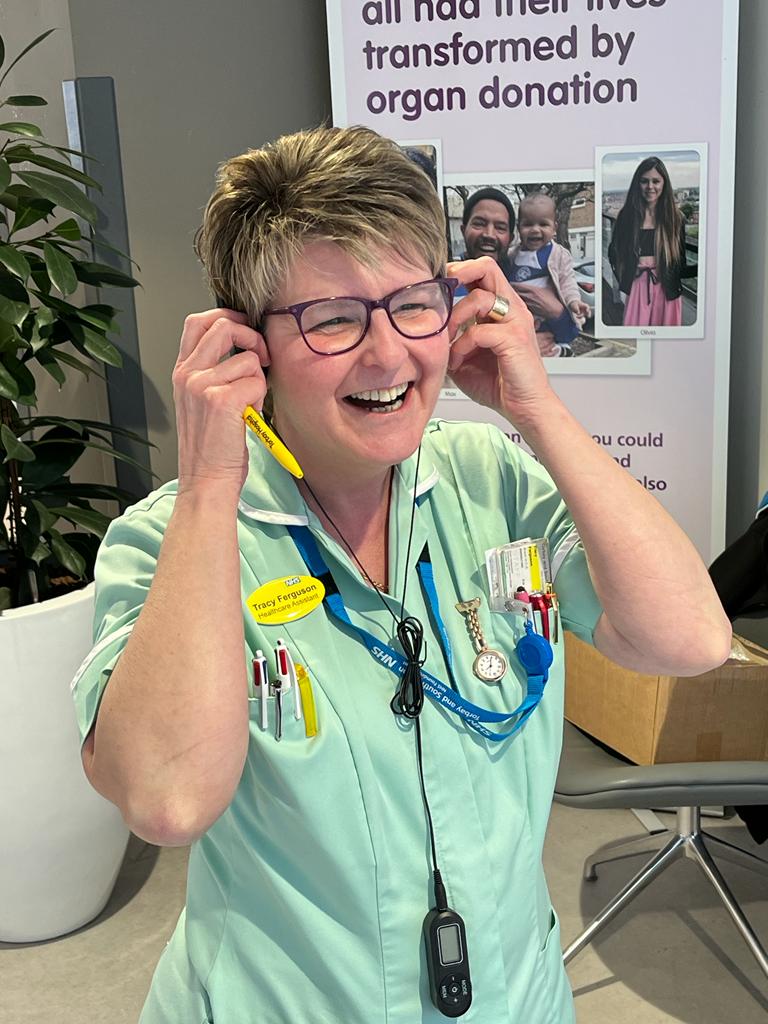
Torbay Hospital Radio